


Key Takeaways
- Single-family homes in Grand Rapids rent significantly higher than apartments—around $2,195 median compared to $1,600 for apartments—so your house likely has stronger rental income potential than you think.
- Pull active rental listings and recently rented comps in your neighborhood, adjust for square footage and condition, then apply a seasonal demand multiplier to land on a defensible rent range.
- Grand Rapids rental certification and Certificate of Compliance requirements add compliance costs and timelines you must factor into your rent-setting and lease start date planning.
- Lease-end dates landing in spring or summer (April through August) command higher rents and shorter vacancy than winter turnovers, which carry heating and snow removal costs.
You’ve inherited a house, relocated for work, or decided to rent instead of sell. Now you’re staring at the question every new landlord asks: what can I actually charge for rent in Grand Rapids?
Getting it right means understanding what comparable homes are renting for, how your specific property compares, and what local market conditions are doing to demand right now.
This guide, by Real Property Management Partners walks you through a practical, step-by-step method to estimate your home’s rental value accurately.
Understanding Grand Rapids Rental Market Basics
Before you hunt for comps, understand what you’re working with. Grand Rapids is a 45-46% renter-occupied city with roughly 36,000 renter households.
The market is tight: vacancy is forecast at 3-4%, meaning renters have fewer options and landlords have shorter days on market if the rent is set right.
Your single-family home is not competing with apartment buildings. It’s competing with other single-family rentals and small multi-family properties in your neighborhood.
Grand Rapids is also a value market. Demand is anchored by major employers like Corewell Health, Meijer’s headquarters, Trinity Health, Steelcase, and Gordon Food Service, plus universities including Grand Valley State University with 25,000+ students.
Step One: Identify Your Comparable Listings
Start by finding active rental listings and recently leased properties in your neighborhood and similar neighborhoods nearby. You’re looking for homes that are similar to yours in size, condition, age and location.

Open the major rental listing sites and filter for single-family homes in your ZIP code and immediate surrounding area.
Don’t stop at active listings. Call or email landlords and property managers who have recently rented homes in your area and ask what they placed them for. Check social media groups for Grand Rapids landlords and investors.
Step Two: Adjust for Your Property’s Specific Features
Raw comp rent is only a starting point. Your house is not identical to the comps you found, so you need to adjust.
Create a simple spreadsheet. List each comparable property with its monthly rent, bedrooms, bathrooms, and square footage. Calculate the rent per square foot for each comp by dividing monthly rent by square footage. This gives you a baseline metric.
Now adjust for the differences between each comp and your property. Key adjustment factors for Grand Rapids rentals include:
- Condition and age.
- Square footage and layout.
- Outdoor space.
- Location within the neighborhood.
- Utilities and inclusions.
Step Three: Factor in Seasonality and Demand Timing
Grand Rapids leasing is strongly seasonal, and this affects what rent you can command and when you should target your lease start date.
Peak rental demand runs April through August. Landlords with homes available in this window can charge premium rent and place tenants quickly. Demand drops sharply from November through February. Winter vacancies in Grand Rapids cost you.
Step Four: Account for Grand Rapids Rental Certification Requirements
Before you finalize your rent, understand the compliance costs and timelines that affect your actual cash flow.

The City of Grand Rapids requires annual rental registration and a Certificate of Compliance issued for two, four or six years after inspection.
The city uses the 2021 International Property Maintenance Code as amended. Every rental property must pass inspection before a lease can legally begin.
Additionally, Grand Rapids adopted a lead-based paint chapter in 2023 affecting all pre-1978 rental properties. Landlords must disclose lead-paint risk, provide tenants with EPA literature, and comply with maintenance standards for lead-contaminated dust.
Step Five: Land on Your Rent Range and Validate It
By now you have a list of comparable rents, adjusted for your property’s condition and features, and factored for seasonality and compliance timing. The range of adjusted comps is your defensible rent estimate.
Real Property Management Partners offers a free rental price analysis with no cost, no contract and no pressure.
The team calls to discuss your property, answers your questions, then emails a detailed report that includes comparable listings, market timing recommendations, and a specific rent range. This adds local expertise and professional market knowledge to your own research.
Seasonal Leasing Strategy and Days on Market
Once you’ve set your rent range, timing matters as much as price. A $2,150 rent charged in May will lease faster and to a higher-quality tenant than the same rent charged in December.
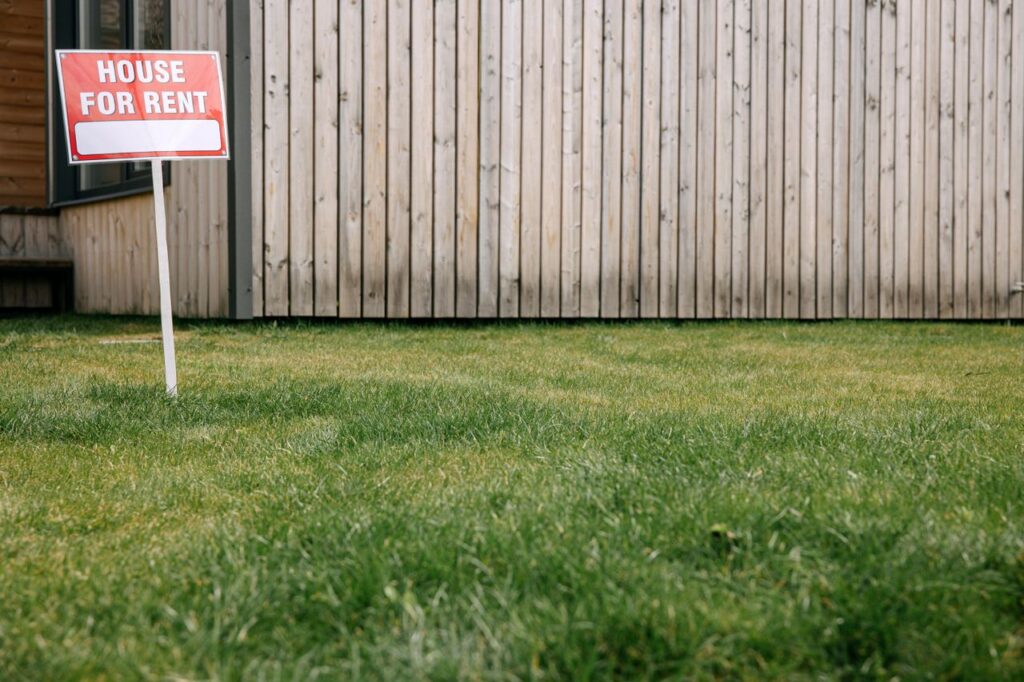
If you’re planning a turnover or a new lease, target a move-in date between April and August. This is when demand peaks, when you’ll attract the most qualified applicants, and when your vacancy risk is lowest.
If your lease is currently set to end in winter, consider negotiating an early renewal with your tenant at a slight rent increase in exchange for an extension to a spring or summer end date. The math often works in your favor.
Common Rent-Setting Mistakes to Avoid
- Overpricing based on your mortgage or desired return.
- Ignoring conditions and compliance.
- Setting rent based on online calculators alone.
- Failing to adjust for seasonality.
- Underestimating turnover costs.
Conclusion
Setting rent for your Grand Rapids home comes down to finding comparable properties in your neighborhood, adjusting for your property’s specific condition and features, and factoring in the seasonal demand that drives Grand Rapids’ rental market.
Validate your work by requesting a free rental price analysis from Real Property Management Partners.
The team will review your property, discuss local market timing and compliance requirements, and email you a detailed assessment at no cost and with no obligation. Call 616-808-3088 or request an assessment on the website to get started.
Frequently Asked Questions
What’s the Difference Between Apartment Rent and Single-Family Home Rent in Grand Rapids?
Single-family homes in Grand Rapids rent for significantly more than apartments because renters value space, privacy and yard access.
Your single-family home is not competing with apartment buildings; it’s competing with other single-family rentals. This is why pulling single-family comps matters more than looking at apartment rents.
How Do I Know If My Rent Estimate Is Actually Competitive?
Your rent estimate is competitive if it falls within the range of your adjusted comparable properties and if it’s supported by at least five to ten similar homes in your neighborhood.
Competitive rent also accounts for your lease start date: a May 1st lease start commands more rent than a January 1st start for the same property. If you’re unsure whether your estimate is competitive, a professional market analysis removes the guesswork.
Does the City of Grand Rapids Certificate of Compliance Affect My Rent?
Yes, indirectly. The Certificate of Compliance itself doesn’t change your rent, but the repairs required to pass inspection do.
If your property needs a new furnace, electrical work, or other code corrections to pass inspection, those costs come out of your cash flow before you collect rent. Additionally, the inspection timeline affects when you can legally lease the property.
Should I Adjust My Rent If I’m Leasing in Winter Instead of Spring?
Yes. Winter leases in Grand Rapids rent at a discount because demand is lower and vacancy risk is higher. You can expect to charge 5-10% less rent for a January lease start than for a May lease start on the same property.
You’ll also face longer days on market and higher vacancy risk. If possible, time your lease to start in spring or summer (April through August) when demand peaks.
Can I Use Online Rent Calculators Like Zillow to Set My Rent?
Online calculators are a starting point, not a substitute for market research. Zillow rent estimates are broad guidelines based on aggregate data and don’t account for your property’s specific condition.
They also don’t adjust for seasonality or days on market. Use online tools to get a general sense of the market, then validate with comparable listings you pull yourself and a professional market analysis.
This content is provided for general informational and educational purposes only and does not constitute financial, legal, tax, or investment advice. Readers should consult with licensed professionals regarding their specific circumstances.
We are pledged to the letter and spirit of U.S. policy for the achievement of equal housing opportunity throughout the Nation. See Equal Housing Opportunity Statement for more information.
