

Key Takeaways
- True rental emergencies threaten health, safety, or the structural integrity of the property and require a response within hours, not days.
- Routine issues like a running toilet, a broken garbage disposal, or a dead light bulb can typically wait for normal business-hours scheduling.
- West Michigan winters turn a failed furnace or a burst pipe into an emergency, since a frozen system can cause thousands of dollars in additional damage overnight.
- Clear written guidance in the lease and a consistent intake process protect owners from disputes about what counted as urgent and when.
Respond too slowly to a genuine emergency and a small leak becomes a drywall and mold problem. Treat every clogged sink as a middle-of-the-night crisis, and burnout follows fast, along with vendor bills nobody budgeted for.
Real Property Management Partners built its maintenance coordination process around one question: does this issue actually meet the emergency maintenance rental standard, or does it belong on tomorrow’s work order?
This guide walks through how to make that call, when after-hours maintenance response is genuinely required, and how to separate urgent repairs from the ones that can wait.
What Makes a Maintenance Issue a True Emergency
An emergency maintenance issue threatens someone’s health or safety, risks serious damage to the property, or eliminates access to an essential service like heat, water, or electricity. Left unaddressed for even a few hours, the problem gets measurably worse.
Four categories cover almost every emergency call:
- Health and safety hazards.
- Loss of an essential service.
- Active property damage.
- Security failures.
If a problem fits one of these four buckets, it needs a response the same day, often within hours to remain compliant with landlord-tenant law.
Common Emergency Maintenance Examples in West Michigan Rentals
Grand Rapids winters change the math on what counts as urgent.
Cold-Weather Emergencies
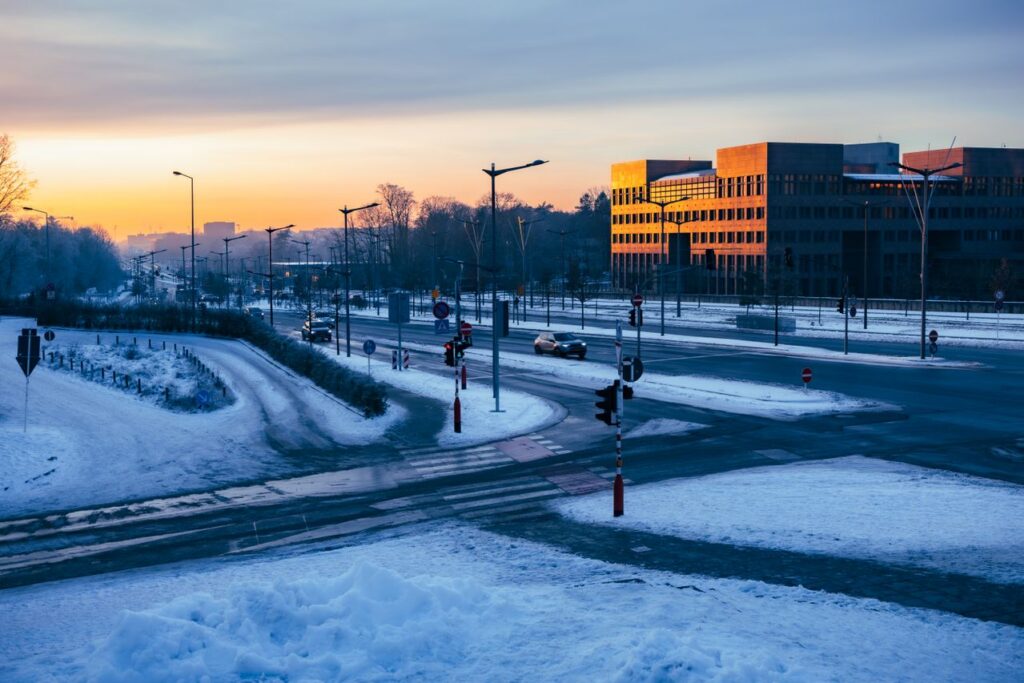
West Michigan temperatures regularly drop into the teens and single digits between December and February, and a home without heat for more than a few hours risks frozen pipes, which can burst and flood a property fast.
Water and Fire Emergencies
Any active water leak that’s spreading, a sewage backup, or smoke and fire damage qualifies as an emergency regardless of season. Water finds the path of least resistance. A slow leak behind a wall over a weekend can compromise framing before anyone notices it.
Safety and Security Emergencies
A resident locked out during a cold snap, a broken lock after a break-in, or a carbon monoxide alarm going off all require immediate attention. These situations put personal safety ahead of property protection, and they should be treated that way.
What Usually Isn’t an Emergency
Plenty of requests feel urgent to the person living with them but don’t meet the emergency bar. These can typically wait for the next business day or a scheduled appointment:
- A running toilet or slow drain.
- A broken garbage disposal or dishwasher.
- A dead light bulb or a breaker that trips and then resets.
- Minor drywall cracks or other cosmetic damage.
- A dripping faucet that isn’t actively flooding anything.
- An air conditioning outage in mild weather.
Calling these in as after-hours maintenance events isn’t fair to the vendor on call or the owner covering an emergency service rate, which typically runs higher than a scheduled visit.
A Response Checklist for Reported Urgent Issues
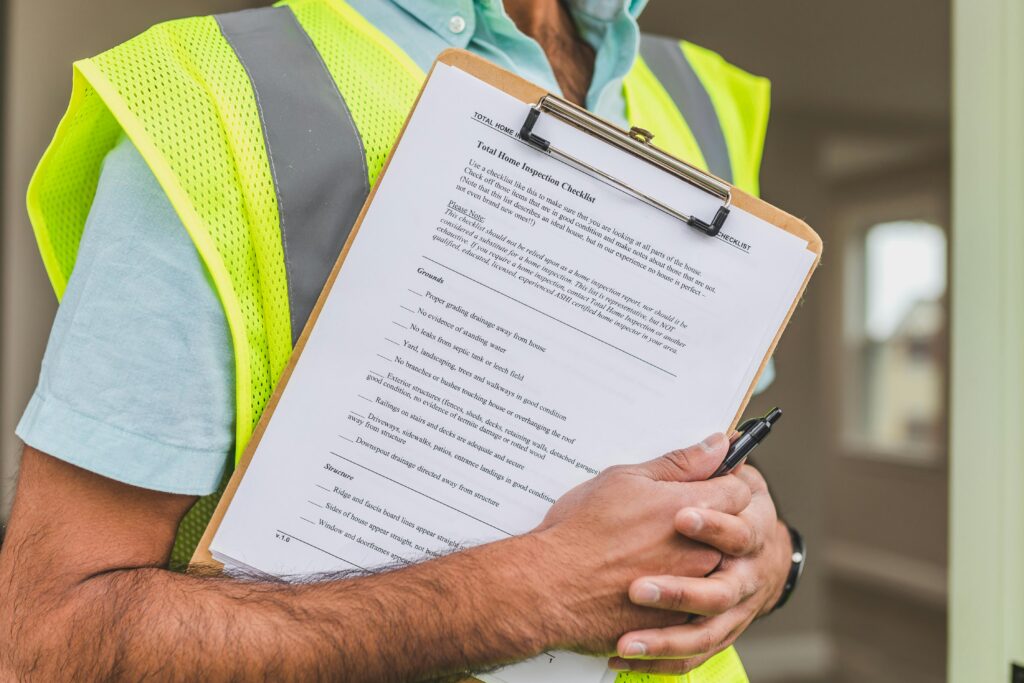
When an emergency call comes in, a consistent process matters more than raw speed. Here’s the sequence worth building into your own operation or asking your property manager to confirm:
- Take down the details immediately.
- Triage against the four emergency categories to confirm it’s a genuine health, safety, service-loss, or active-damage issue.
- Dispatch the right vendor.
- Give the resident a timeline.
- Document everything.
- Follow up within 24 hours to confirm the repair held and close the work order.
Skipping steps two and five is where most disputes start. An owner who can’t show what happened and when has a harder time if a resident later claims the response was too slow.
Setting Expectations Before the Emergency Happens
The best emergency response is one that never has to improvise. A lease that spells out how to report a maintenance issue, paired with a resident who knows to use the online tenant portal rather than calling several different numbers, resolves half the confusion before it starts.
Real Property Management Partners routes maintenance requests through a resident portal and coordinates repairs through in-house maintenance staff and an established vendor network, which keeps emergency calls from turning into a search for an available contractor at midnight.
Why After-Hours Response Protects the Investment
A fast, correct emergency response is asset protection. Much of Grand Rapids’ rental housing stock, including older homes in Heritage Hill, Eastown, and Alger Heights, has plumbing and heating systems that don’t forgive delay.
A burst pipe in an unoccupied section of a duplex can run water for days before anyone notices, and unresolved damage can complicate a property’s next Certificate of Compliance inspection under the city’s rental registration program.
Handling true emergencies quickly, and routing everything else to a normal maintenance schedule, keeps repair costs predictable and keeps a property in the condition it needs to be in on inspection day.
Bottom Line
Knowing the difference between an emergency and an inconvenience keeps a rental profitable and keeps everyone’s nerves intact. The line comes down to whether health, safety, or the structure of the property is genuinely at risk right now.
Real Property Management Partners built its maintenance coordination process around that same logic, pairing in-house staff and a vetted vendor network with a resident portal so urgent issues get triaged correctly the first time.
If you’re managing a Grand Rapids-area rental and want a second opinion on your current maintenance setup, request a free rental analysis at 616-808-3088.
Frequently Asked Questions
Who Do Grand Rapids Tenants Call for a Maintenance Emergency?
Residents managed by Real Property Management Partners submit maintenance requests, including urgent ones, through the online tenant portal, which routes the request to the appropriate staff member for triage.
This keeps emergency reports out of a single owner’s personal phone and into a system built to log, prioritize, and dispatch the right vendor.
How Fast Should a Property Manager Respond to an Emergency Repair?
A true emergency, such as no heat in winter, active flooding, or a safety hazard, should get a response the same day, often within hours.
The exact timeline depends on the issue, the time of day, and vendor availability, but the goal is always to stop the damage from spreading while a technician gets scheduled.
What Happens If a Tenant Reports a Fake Emergency After Hours?
Not every after-hours call turns out to be urgent once it’s triaged. If the issue doesn’t meet the emergency criteria, such as health risk, safety risk, service loss, or active damage, it gets logged and scheduled for the next business day instead of dispatched as an emergency.
Documenting the call time, the resident’s description, and the triage decision protects the owner if the resident later disputes how the request was handled.
Who Pays for Emergency Repairs, the Owner or the Property Manager?
The property owner is responsible for the cost of the repair itself, since maintenance and upkeep are part of owning a rental.
Real Property Management Partners publishes a written fee schedule that includes a maintenance coordination fee of 20 percent per invoice for repairs it arranges, so owners know the cost structure before a repair ever comes up rather than discovering it on an invoice.
Does a Frozen Pipe Count as an Emergency in Michigan Rentals?
Yes. A frozen pipe is one of the clearest emergencies in a Michigan rental, since it can burst and flood a property within hours once the ice expands enough to crack the line.
West Michigan’s winter temperatures make this a recurring seasonal risk between roughly December and February, which is why furnace failures and frozen pipes get treated as same-day priorities rather than issues that wait for a routine maintenance visit.
This content is provided for general informational and educational purposes only and does not constitute financial, legal, tax, or investment advice. Readers should consult with licensed professionals regarding their specific circumstances.
We are pledged to the letter and spirit of U.S. policy for the achievement of equal housing opportunity throughout the Nation. See Equal Housing Opportunity Statement for more information.
